 Shipped today
New Year’s Resolution: Be happy!
- By Geertje (Gre) Haak
- Feb 3, 2026

At the start of a new year, many people focus on eating more healthily or exercising more, but your mental health and mood are just as important. Still, “improving my mental health” often feels big and vague. Where do you start if you want to feel happier?
We believe in the power of 1% per day: small, achievable steps you can actually stick to. Think of mini moments of rest, connecting with others, and conscious choices around relaxation and screen time. All those small 1% adjustments together can, after a few months, lead to a daily rhythm that suits you better.
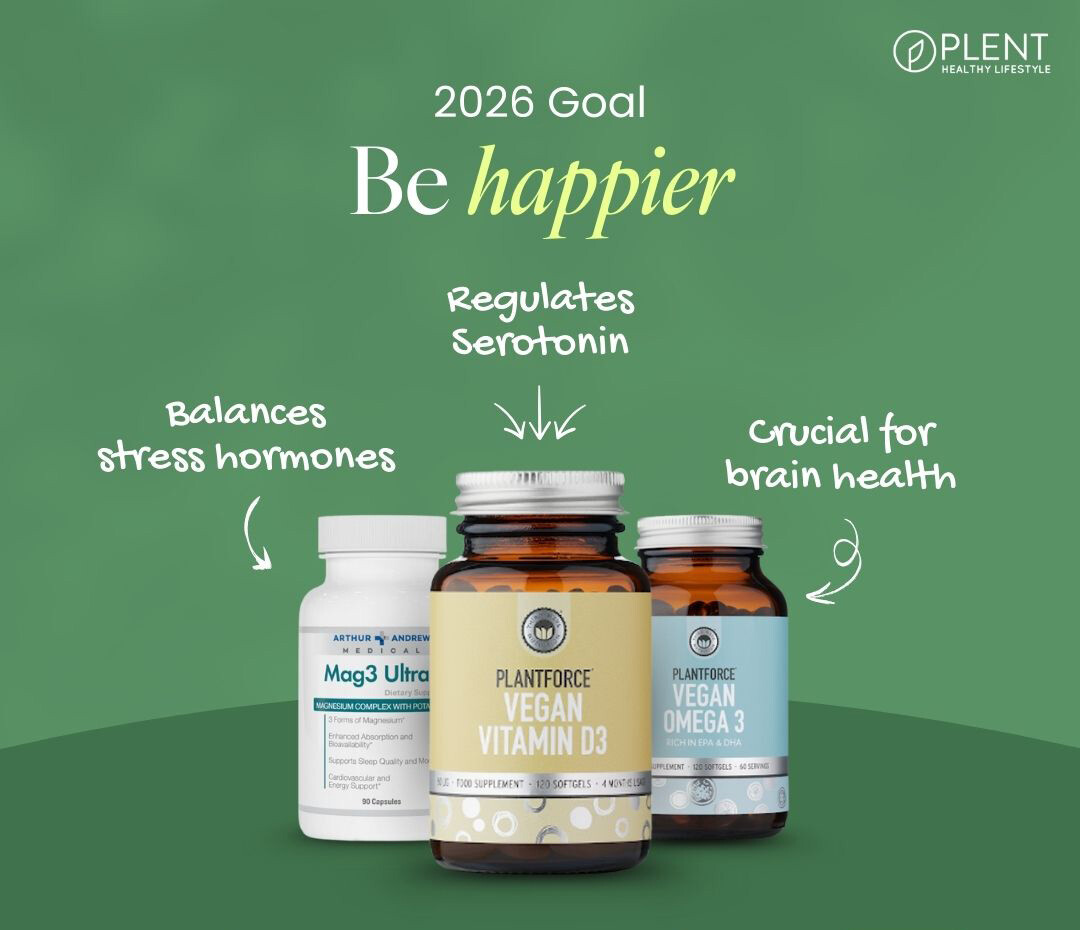
Start your 1%-per-day-routine
Mental health is personal and can be influenced by many different factors: work pressure, sleep, relationships, life events, physical health and more. The 3-month plan below is not a treatment recommendation, but an example of how you can take more conscious care of your mental space with small, achievable steps, which may help you feel happier.
Important: are you experiencing severe low mood, anxiety, stress or other complaints? Always contact your GP or another professional for personal advice.
Goal: noticing what is going on and making it as easy as possible to take care of yourself.
Possible 1% actions:
-
Daily check-in (2–5 minutes)
-
Choose a fixed moment (for example in the morning or in the evening).
-
Briefly ask yourself three questions:
-
How do I feel today (1–10)?
-
What do I notice in my thoughts/body?
-
What would be one small, kind gesture towards myself today?
-
-
-
Building in mini breaks
-
Take a 2–3 minute break 1–2 times a day: stand up, look out of the window, take a few deep breaths, or do a short stretch.
-
Better very short and daily than something big every now and then.
-
-
One gentle evening appointment with yourself
-
For example:
-
no news or social media in the last 15 minutes before bed
-
a short ritual: tea, shower, laying out a book, ending the day with a few lines in a notebook.
-
-
The 1% mindset here: choose one mini action where you think “I can still manage this even on a busy day”.
Goal: choosing a few small, regular habits that help you build in more moments of rest and recovery.
Possible focus areas:
-
A short daily walk
-
5–10 minutes, for example between appointments or after dinner.
-
It doesn’t need to be a workout; it’s about changing your environment and perspective for a moment.
-
-
One intentional moment of connection per day
-
Sending someone a message, a short phone call, or consciously giving attention to someone you live with.
-
Small social moments can help you feel less alone in what you’re going through.
-
-
One “mental declutter action” per week
-
Think of:
-
clearing an overflowing to-do list
-
tidying a corner that’s been bothering you
-
finishing one administrative task that’s been lingering in the back of your mind.
-
-
1% ideas for Month 2:
-
Extend your daily walk by 1 minute each week if that feels good.
-
Add an extra mini break at a time of day that is often busy.
-
Consciously schedule one “light” moment in your week to look forward to (for example an evening without plans, a hobby, or a calm morning).
Goal: maintaining what supports you, adjusting where needed, and giving yourself permission to set boundaries.
Possible steps:
-
Weekly reflection (5–10 minutes)
-
What brought you calm or relief this week?
-
What cost you a lot of energy or caused tension?
-
Which habit do you want to keep next week, and where would you like to make a small adjustment?
-
-
Boundaries around screen time and stimuli
-
For example:
-
one fixed “offline block” per day (e.g. during meals or the first hour after waking up)
-
turning off notifications from non-essential apps
-
consciously choosing what you read or watch before going to sleep.
-
-
-
Recognising your own signal plan
-
Write down for yourself:
-
Which signals do I notice when I’m not doing so well mentally (e.g. poorer sleep, feeling more easily irritated, ruminating)?
-
Which small step helps me in such a period (e.g. calling someone, taking a calm walk, dropping a task)?
-
-
1% mindset: it’s not about “always feeling great”, but about noticing a bit sooner what you need and taking one small step in that direction.
An important nuance with 1% per day
-
1% is relative: for one person that’s 5 minutes a day, for another it’s 20 minutes, depending on where you are right now.
-
Doing nothing also counts: skipping a day and then picking it up again is still a form of 1% thinking – you’re getting back on track instead of giving up altogether.
-
Listen to your body: in case of doubt or complaints, it’s always wise to consult a doctor.

Supporting supplements


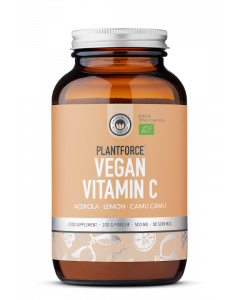


Supporting supplements within this theme
The foundation of mental health is built on many different pillars: sleep, connection with others, a meaningful way to spend your day, movement, nutrition, possibly therapy or guidance, and enough recovery moments.
Some people also choose to include certain supplements in their daily routine. Within this theme, you’ll find products containing chaga, omega-3, magnesium, B-complex, C-complex, vitamin D3, lion’s mane and AHCC.
The information below is general and intended for orientation purposes. Are you unsure whether a supplement is suitable for you, are you using medication or do you have a medical condition? Then contact a doctor, dietitian or other qualified professional.
Chaga
is a mushroom that naturally grows mainly on birch trees in colder regions.
In supplement form, chaga is often processed into powder, capsules or extract. Some people choose chaga as part of their daily routine, for example mixed into a warm drink.
Magnesium
is a mineral that is found in various foods, such as green vegetables, nuts and whole grain products. Some people choose a magnesium supplement as part of their daily routine. Always check the label and take supplements according to the recommended dosage.
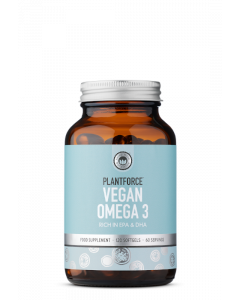
Omega-3
Omega-3 occurs naturally in oily fish and certain plant-based sources (such as flaxseed oil and some algae). People who eat little of these foods sometimes choose an omega-3 supplement (for example fish oil or a plant-based alternative) as part of their daily intake.
Vitamine D3
is partly produced in the skin under the influence of sunlight and is present only to a limited extent in food. In some situations, people choose a vitamin D3 supplement, for example during the darker months or when they spend little time outdoors. Always follow the dosage instructions and any advice from a professional.
Vitamine B-complex
: A B-complex combines several B vitamins in a single supplement. B vitamins occur naturally in many foods, such as whole grains, legumes, meat, fish, eggs and dairy.
A B-complex is sometimes used by people who want to supplement their B vitamin intake in a structured way, always within the recommended amounts.
Vitamine C-complex
-complex contains vitamin C, sometimes in combination with other nutrients. Vitamin C naturally occurs in many vegetables and fruits, such as citrus fruits, berries and bell peppers.
Some people choose a C-complex supplement as a practical addition to their diet. Again, always read the label and follow the recommended dosage.
AHCC
(Active Hexose Correlated Compound) is an ingredient derived from certain parts of mushrooms, often related to shiitake.
It is used in various supplements. Anyone who wants to use AHCC is advised to read the label carefully and, in case of doubt, seek advice from a qualified professional.
Lion's mane
(Hericium erinaceus) is a mushroom that you often come across in supplement form as a powder, capsules or extract.
Within the supplement range, lion’s mane is included in various products that people use as part of their personal routine.