 Shipped today
Top 6 Supplements for a Vegan Diet
- By Bea Recuerdo (BSc)
- May 30, 2022

Proper food choices are vital in completing the nutrient needs of an individual, vegan or not. However, in our fast-paced world and modern food production system.
Without a well-planned diet, it can be pretty challenging to complete the nutrients vegans need in one day and may put them at risk of developing nutrient deficiencies that could affect their overall health.
Know the nutrients for vegans
Each nutrient in the body has a function to help our body function and maintain our health. Unfortunately, most of these nutrients are usually advised to be supplemented in the diet.
Here are the top 6 supplements for a vegan diet:
- Vitamin B12
- Vitamin D
- Calcium
- Iron
- Iodine
- Zinc
- Bottomline of what vegans need
Vitamin B12

Vitamin B12 is a water-soluble vitamin and a generic name for cobalamins.
It is essential in DNA making, normal functioning of the brain, and conversion of homocysteine to methionine (Source: NIH).
Methionine is an essential amino acid needed in making new proteins for immune function (Source: NCBI).
Foods rich in Vitamin B12
Naturally, vitamin B12 is present in animal sources such as fish, meat, poultry, egg, and dairy. (Source: NIH) This is because it can only be synthesized by microorganisms and is seldom found in plants. (Source: Academic).
There are vegan-friendly food products that have been fortified with Vitamin B12, such as plant milk, cereals, and nutritional yeast. However, these food sources are not sufficient to meet the nutrient needs of the body.
The challenge for vegans when it comes to vitamin B12
Low vitamin B12 levels in the blood increase the risk of developing Vitamin B12 deficiency. This may put them at risk of:
- Megaloblastic Anemia - a deficiency in healthy red blood cells because the bone marrow produces unusually large and immature red blood cells (Source: RareDiseases).
- Neurological complications such as paresthesia or the prickling sensation usually felt in arms, hands, and feet
- Leg weakness
- Memory loss
(Source: EFSA)
This is why nutrition experts recommend taking Vitamin B12 supplements (Source: NCBI).
Adult Male and Female | PRI per day |
19 years old and above | 2.4 µg/day |
There is no limit set for Vitamin B12 intake, and no adverse effects have been associated with excess intake of Vitamin B12 from food or supplements in healthy individuals (Source: EFSA).
Vitamin D

Vitamin D is a fat-soluble vitamin. Some of Vitamin D's health benefits include helping in Calcium and Phosphorus absorption and playing a significant role in maintaining muscle and bone health (Source: Article 13).
Foods rich in Vitamin D
There are two forms of Vitamin D. One is Vitamin D3 (Cholecalciferol) which can be found in fish liver oil, fatty fishes like salmon and cod, and in small doses, meat and egg yolks.
Sun exposure can also help the body produce Vitamin D3 (cholecalciferol). However, this is not a reliable source for everyone (Source: NCBI).
The second form of this vitamin is vitamin D2 (ergocalciferol), commonly synthetic and found in most supplements on the market.
The challenge for vegans when it comes to vitamin D
Plant-based foods such as fruits and vegetables are not a good source of Vitamin D. This is why it is recommended for vegans to take Vitamin D supplements. Insufficient intake of Vitamin D can lead to bone problems, especially as we age (Source: NCBI).
Plant-based vitamin D supplements
Plant-based vitamin D supplements can be sourced from lichens. It's similar to moss and can be a reliable source of vitamin D3 (cholecalciferol) and more absorbable than D2 (Source: Article 13).
Population Reference Intake for Vitamin D as per WHO/FAO:
Adult Males and Females | PRI per day |
19-50 years old | 5 µg/day |
51-65 years old | 10 µg/day |
66 years old | 15 µg/day |
(Source: EFSA).
Excess intake of Vitamin D can lead to hypercalcemia or increased calcium excretion into urine. Furthermore, it may eventually affect other parts of the body and lead to the development of kidney stones, bone problems, and brain and heart problems (Source:
Calcium

Calcium is the fifth most abundant mineral in the body. It is needed by the body to help maintain the structure and strength of bones and teeth.
It is also needed in muscle movement and the transport of messages from the nerves to the brain (Source: NIH).
Foods rich in Calcium
Plant-based sources of calcium include brassica, almonds, and dried apricots. Other excellent plant sources of Calcium include leafy green vegetables such as bok choy, spinach, rhubarb, cabbage, collards, etc. (Source: NCBI).
The challenge for vegans when it comes to calcium
Commonly, calcium is poorly absorbed by the body because of its high oxalate content in most vegetables (Source: EFSA).
If Calcium intake is insufficient and poorly absorbed by the body, vegans may develop the following problems:
- Osteoporosis
- Bone Fractures
- Numbness and tingling in the fingers
- Convulsion and irregular heartbeats
Source: NIH
Population Reference Intake for Calcium as per the Netherlands Food and Nutrition Council:
Adult Males and Females | PRI per day |
19-50 years old | 1,000 mg |
51-70 years old | 1,100 mg |
70 years old | 1,200 mg |
(Source: EFSA)
The tolerable upper intake level (UL) has not been set for children, but for adults, pregnant and lactating women, the UL is 2,500 mg (Source: Chronic intake of doses higher than the UL may lead to the formation of kidney stones and the development of bone, muscle, and nerve problems (Source:
Iron
Iron is one of the most abundant minerals on earth, but ironically, it remains one of the most common deficiencies (Source: NIH).
Iron is essential in making red blood cells that carry oxygen from the lungs to the different parts of the body and also help support nervous system function. (Source: NIH)
Foods rich in Iron
Heme iron can be obtained from animal products and is easily absorbed by the body.
Non-heme iron can be obtained from plants, and certain factors prevent or improve this type of iron absorption. Vitamin C is suggested to be taken together with Iron to enhance its absorption.
Vegan-friendly iron sources are fortified food products like cereals, and plant-based sources such as beans, dark chocolate of at least 45%, lentils, spinach, potato with skin, nuts, seeds, and enriched bread or rice.
(Source: Harvard)
The challenge of vegans when it comes to iron
Despite the vast array of plant-based food sources of Iron, some Vegans are at risk of developing iron deficiency because of the food combinations that may affect iron absorption. Iron is poorly absorbed when eaten together with:
- Tannic Acids are found in tea, coffee, cocoa, and certain spices such as turmeric, coriander, chilies, and tamarind
- Calcium - inhibits the absorption of iron
Population Reference Intake for Iron as per the Netherlands Food and Nutrition Council:
Adult Male: | PRI per day |
19-22 years old | 11 mg/day |
22 years old and above | 9 mg/day |
Adult Female: |
|
19-22 years old | 16 mg/day |
22 years old and above | 9 mg/day |
During Pregnancy (extra demand due to fetal and placenta iron needs, need for production of red blood cells): |
|
First trimester | 11 mg/day |
Second trimester | 15 mg/day |
Third trimester | 19 mg/day |
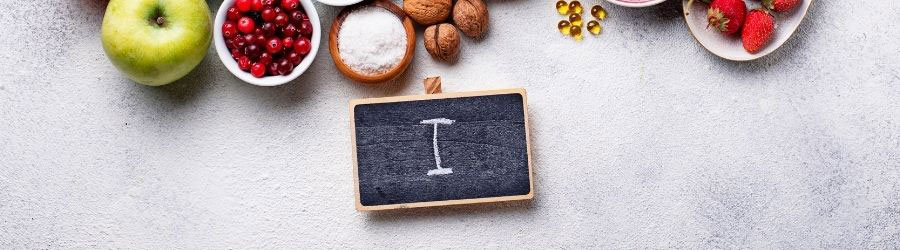
Iodine is a mineral that is needed by the body to produce thyroid hormones. These hormones help control the body's metabolism, aid in brain development, and maintain proper bone health (Source: NIH).
Foods rich in Iodine
Iodine can be obtained from seafood and fish. Vegans may try to get it from sea vegetables like nori, dulse, and kelp can be sources of Iodine. Also, one half-teaspoon of iodized salt provides 150 micrograms of Iodine. Salty foods are not reliable and recommended sources of Iodine (Source: NCBI).
The challenge for vegans when it comes to iodine
High intake of goitrogen-containing foods (cruciferous vegetables, flax seeds, millet, peanuts, pine nuts, spinach, sweet potatoes, and strawberries) together with iodine-containing foods can inhibit the absorption of the mineral (Source: NCBI).
The recommended intake should be raised to 200-300 micrograms per day for a diet that can contain high goitrogen-containing food.
Vegans, persons with fish and seafood allergies, and persons under a low salt diet are often advised to take Iodine supplements to prevent Iodine deficiency (Source: Euro.WHO).
Lack of Iodine in the diet may lead to the enlargement of the thyroid gland or "Goiter," which is the first sign of Iodine deficiency (Source: NIH).
Population Reference Intake for Iodine as per the WHO/FAO:
Adult Male: | PRI per day |
19 years old and above | 150 mg/day |
Adult Female: |
|
19 years old and above | 150 mg/day |
(Source: EFSA)
Zinc
Zinc can be found in cells in the body because it is essential in normal immune and brain function, wound healing, the formation of sperm for men, and protein and DNA synthesis (Source: NIH & EFSA).
Foods rich in Zinc
Plant-based food sources of zinc include beans, nuts, whole grains, dairy, and cereals enriched with Zinc (Source: NIH).
The challenge for vegans when it comes to zinc
The bioavailability of Zinc in plants is generally lower than in animal products because of the presence of phytates in most vegetables and fruits. Zinc deficiency is difficult to detect in blood tests. Still, some clinical signs of this deficiency are:
- Delayed wound healing & growth
- Hair loss
- Lowered immune function
- Suppressed appetite & loss of taste
- (Source: NCBI)
Population Reference Intake for Zinc as per the Netherlands Food and Nutrition Council:
Adult Male: | PRI per day |
19 years old and above | 7-10 mg/day |
Adult Female: |
|
19 years old and above | 6-9 mg/day |
(Source: EFSA)
Zinc's Tolerable upper intake level (UL) for adults is 25 mg (Source: Bottom line: Supplements for vegans A vegan diet needs to focus on the following nutrients and make sure that they are getting enough of them in their diet: Failure to get enough of these nutrients may lead to nutrient deficiencies, negatively affecting a person's health. Furthermore, never hesitate to seek professional help from a Dietitian who can help you plan your plant-based diet and suggest which nutrients you need to supplement.


